

Article: Your Body Keeps Solstice Time: How The Winter Solstice Changes Your Skin, Sleep and Stress Levels
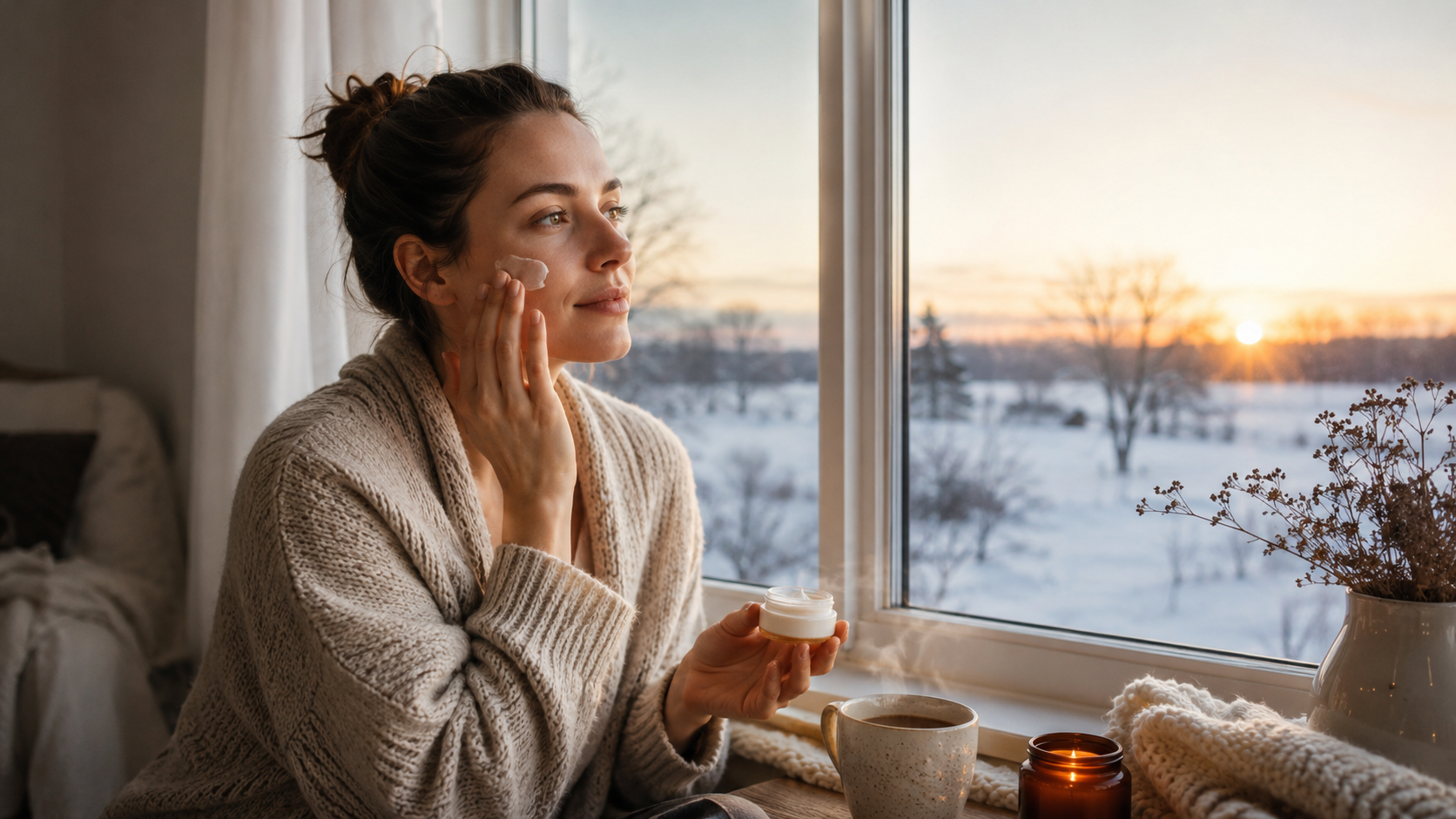
Your Body Keeps Solstice Time: How The Winter Solstice Changes Your Skin, Sleep and Stress Levels
The winter solstice is more than the shortest day of the year. Seasonal changes affect your circadian rhythm, stress hormones, skin barrier function, and overall wellbeing. Understanding these biological shifts can help you care for your body more intentionally during winter.
On 21 June, in the Southern Hemisphere, the Earth reaches its furthest tilt from the sun. The shortest day of the year. The solstice was historically a practical marker of survival, not just a cultural tradition.
Before clocks and calendars our ancestors used the movement of the sun to determine when and where to forage and what to hunt, then later on when to plant crops, harvest food, and prepare for seasonal changes.
Hormonal Changes during Winter
Your body experiences significant hormonal shifts during winter, impacting everything from your diet and your sleep, to your skin.
Winter Changes Your Sleep-Wake Cycle
Shorter days alter your circadian rhythm by reducing exposure to natural light.
Your circadian rhythm relies on sunlight to regulate when you feel alert and when you feel sleepy. During winter, reduced morning light delays your brain's signal to suppress melatonin, the hormone that helps regulate sleep. This can causing a tired-but-wired feeling at night and grogginess in the morning. They are biological responses to seasonal shifts in daylight.
Winter Can Increase Stress Hormones
Research suggests that cortisol levels rise during autumn and winter.
Cortisol is often referred to as the body's primary stress hormone. Prolonged periods without natural light also causes cortisol, your stress hormone, to rise. Studies have shown that baseline cortisol levels are elevated in autumn and winter, reaching its highest at the winter solstice, with an 8.6% increase from levels at the summer solstice.
This matters because elevated cortisol can affect multiple systems throughout the body, including the skin.
Higher cortisol levels are associated with:
-
Impaired skin barrier function
-
Increased inflammation
-
Worsened acne breakouts
-
Dryness and flaking
-
Accelerated visible signs of ageing
Cortisol also increases sugar cravings. As the primary stress hormone, cortisol signals to your brain that your body needs fast energy and acts on your reward pathways, causing you to specifically crave quick-burning carbohydrates and sugary foods. We know that foods like these are inflammatory for the skin, increasing the likelihood of breakouts,
Why Skin Often Struggles During Winter
Despite the hormonal shifts in your body during winter, winter weather also creates the perfect conditions for skin dehydration and barrier disruption.
Cold outdoor air naturally contains less moisture. Indoor heating and longer, hotter showers or baths compound the problem by stripping moisture from the skin further. This increases trans-epidermal water loss (TEWL), putting your lipid barrier under strain.
At the same time, skin tends to produce less of sebum, a protective oil, making it easier for moisture to escape.
This isn't just textbook biology. At Zero BS, we've noticed a consistent seasonal pattern in our own customer feedback. An uptick in complaints from people managing dry skin, eczema, and psoriasis that corresponds with the colder months. While anecdotal, it reflects what the science describes: winter creates the conditions in which already-compromised skin barriers struggle most.
Supporting Your Skin Through the Winter Season
Winter skincare is often about giving your skin more of what it needs, not adding more steps.
Supporting your skin may be as simple as:
-
Applying a natural moisturiser more consistently
-
Choosing products rich in skin-supportive fats and lipids
-
Prioritising sleep
-
Spending time outdoors during daylight hours
Small daily rituals can help support overall wellbeing during the colder months, and your skin will thank you for it.
The Winter Solstice Is an Invitation to Slow Down
The winter solstice reminds us that seasonal rest is not a luxury, it is part of being human. So consider marking the occasion in a simple way. Apply your moisturiser a little more intentionally. Get to bed earlier. Share a meal with people you love.
Because caring for yourself is a ritual worth preserving.
Wishing you warmth, nourishment, and a gentle return of the light.


Leave a comment
This site is protected by hCaptcha and the hCaptcha Privacy Policy and Terms of Service apply.